The NAP in Washington publish more than 200 books a year on a wide range of topics, resulting in a catalogue of more than 4,000 titles in PDF format which can be downloaded for free by the chapter or the entire book. The NAP catalogue includes 98 books on Children, Youth and Families. Here are four books from the catalogue:
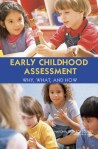 Snow C.E, and Van Hemel, S.B, (2008): Early Childhood Assessment: Why, What, and How
This book affirms that assessments can make crucial contributions to the improvement of children’s well-being, but only if they are well designed, implemented effectively, developed in the context of systematic planning, and are interpreted and used appropriately. Otherwise, assessment of children and programs can have negative consequences, especially children from economically disadvantaged homes and communities and children with special needs.
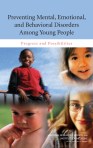 Boat, T and Warner, K.E, (2009): Preventing Mental, Emotional, and Behavioral Disorders Among Young People: Progress and Possibilities
Mental health and substance use disorders among children, youth, and young adults are major threats to the health and well-being of younger populations which often carry-over into adulthood. This book argues that greater effort is needed to prevent mental, emotional, and behavioural problems in young people, and highlights research which shows that many prevention programs work.
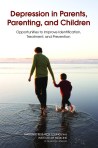 England, M.J, and Sim, L.J, (2009): Depression in Parents, Parenting, and Children: Opportunities to Improve Identification, Treatment, and Prevention
Health and social service professionals who care for adults with depression should not only tackle their clients’ physical and mental health, but also detect and prevent possible spillover effects on their children. In making this case, this book highlights disparities in the prevalence, identification, treatment, and prevention of parental depression among different socio-demographic populations. It also outlines strategies for effective intervention and identifies the need for a more interdisciplinary approach that takes biological, psychological, behavioural, interpersonal, and social contexts into consideration.
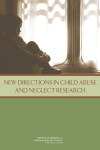 Petersen, A, Joseph, J and Feit, M,(2013): New Directions in Child Abuse and Neglect Research
This book from the Institute of Medicine reports that rates of physical and sexual abuse of children have declined over the last 20 years, but for reasons not fully understood. Yet, reports of psychological and emotional child abuse have risen in the same period, and data vary significantly as to whether child neglect is increasing, decreasing, or remaining constant.
These textbooks from The National Academies Press are of particular interest to students, academics and policy makers. The hard-cover versions cost in the region of $50-$60 each, so we are very fortunate to be able to download the PDF versions for free. I encourage academics and faculty to choose NAP and other free titles for their courses whenever possible, which saves students lots of money.
Elsewhere on my blog, there is a separate page which lists other free textbooks of interest.

 Sarah Russell, Siobhan Freegard and Cathy Court, the three founders of the parental support website Netmums, received OBEs for services to families in the UK New Year Honours list. Congratulations to each of them, as they have built an excellent community.


 cyp-media.org